
What to Expect in a Rehab Center?
Many individuals may feel a mix of emotions, including hope, anxiety, and uncertainty, as they rejoin society after recovering from rehab. Outpatient programs offer treatment to patients who visit the facility daily or several times a week to receive medications and attend therapy sessions. This form of treatment is not as intensive as an inpatient program but can be an excellent option for anyone who has a healthy home environment and plenty of support from friends and family members. Outpatient programs also allow patients to continue with their home lives, maintaining work or other obligations while getting help.
A Typical Day in Rehab: What to Expect
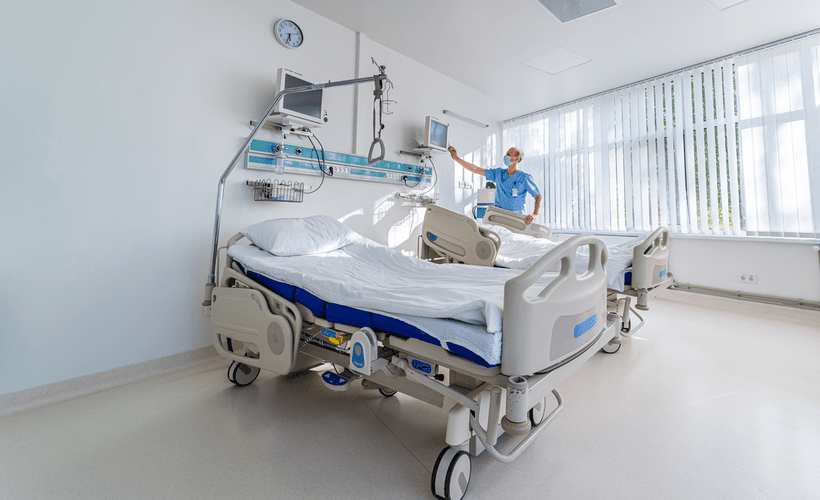
The main programs of drug rehab include medical detox, behavioral therapy, dual diagnosis programs, and medication-assisted treatment (MAT) to address both substance use and co-occurring mental health disorders. Relapse prevention strategies, peer support Drug rehabilitation groups, and aftercare planning are necessary for long-term recovery. The dual diagnosis program treats individuals with co-occurring mental health disorders and substance use disorders. Many people struggling with addiction also face conditions like depression, anxiety, PTSD, or bipolar disorder. This program integrates psychiatric care with addiction treatment, offering therapy, medication management, and relapse prevention strategies.
Components of Outpatient Addiction Treatment
Patients attend counseling and therapy sessions a few times a week while continuing to live at home. This program is ideal for individuals who need ongoing support how long is drug rehab but do not require intensive supervision. It is used for those recovering from alcohol, marijuana, or stimulant addiction and helps reinforce coping skills for long-term sobriety.
Practicing New Skills For Maintaining Sobriety
- This plan acts as a guiding roadmap, tailored to the individual’s distinct needs and circumstances, delineating specific interventions, therapies, and objectives.
- The idea is that consistency (and not having to make as many decisions throughout your day) will help support you as you recover.
- Some programs offer morning classes where you’ll have an opportunity to take part in activities such as yoga, meditation, exercise, or prayer opportunities to help start your day in a relaxed state of mind.
- This form of drug addiction therapy aims to promote long-term recovery by engaging people with a 12-step peer support group.
- If a person uses as much of the drug as they did before quitting, they can easily overdose because their bodies are no longer adapted to their previous level of drug exposure.
- Like treatment for other chronic diseases such as heart disease or asthma, addiction treatment is not a cure, but a way of managing the condition.
Understanding what happens during and after rehab is important in setting goals and expectations. While in rehab for addiction, you will work through your struggles with drug abuse. You will learn how to build healthy life skills, as well as coping mechanisms for overcoming drug cravings. You will establish sober and supportive relationships that will last you a lifetime. The wide variety of outpatient programs differ in their schedules, formats, and styles, so you can decide which one will best fit your lifestyle and preferences.
- Co-occurring disorders, such as depression, anxiety, PTSD, and bipolar disorder, contribute to substance abuse, making comprehensive treatment necessary.
- Several factors contribute to the effectiveness of drug and alcohol treatment centers, such as treatment programs, family member involvement, and the guidance of licensed therapists.
- Through attending regular support group meetings centered around these steps, participants find fellowship among peers who understand what they’re going through.
- It’s often followed by a quiet time for meditation, journaling, or just personal reflection, helping you get centered and set a positive tone for the hours ahead.

Before you complete an addiction treatment program, you’ll have the opportunity to participate in the creation of your own aftercare plan. This generally means sitting down with your counselor, case manager, or therapist and talking through the creation of a post-treatment plan that’s unique to your own needs. Entering a leading rehab facility in New York is a pivotal step toward recovery, but for many, the process can feel intimidating and uncertain.
After you are checked in, you will often be allowed to contact loved ones to let them know you’ve arrived safely and will be receiving treatment. The courts do not allow defendants to plead their case or re-negotiate plea deals. By clicking “Submit,” you certify that you have provided your legal name and phone number, agree to the terms and conditions and privacy policy, and authorise Paid Advertiser to contact you. You consent to receive SMS notifications and promotions from Paid Advertiser.
Meth Overdose: Symptoms, Risks, and Treatment

It’s often the most dreaded part of getting sober, but in a professional facility, it’s a process managed with medical skill and genuine care. Now that you know what to expect for a typical day in drug rehab, the next step is finding treatment. Contact a treatment provider to discuss available treatment center options. Treatment services may include various individual and group therapy sessions, peer recovery support, and educational programs, including vocational and life skills training. Education about addiction and its effects is vital throughout all phases of treatment. Rehab programs include sessions that provide insights into the nature of addiction, triggers, and stress management techniques.
This type of rehab is ideal for individuals with severe addiction, requiring constant medical and psychological support. Patients stay for 28 to 90 days, depending on the severity of their condition and progress. Inpatient programs offer detox services, individual and group therapy, medication-assisted treatment, and holistic therapies to promote recovery. The first step in drug rehabilitation involves a comprehensive assessment and evaluation. This process helps create a personalized treatment plan tailored to each individual’s needs.